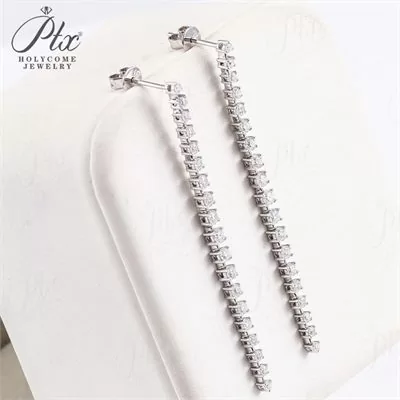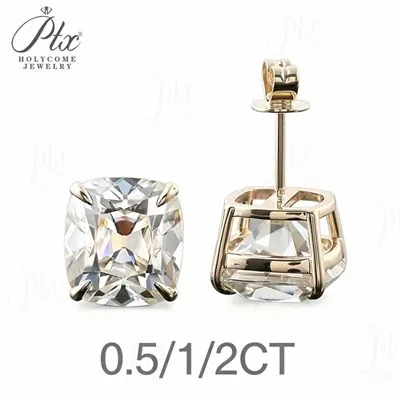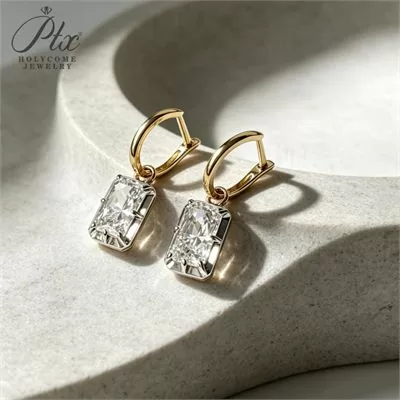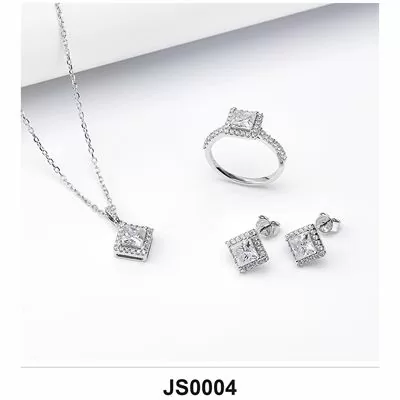
925 Silver
925 Silver Care: Why Pieces Tarnish in Ninety Days for Multi-Door Chains
A brand in Los Angeles sent a mood board and asked for a price and got six quotes that differed by 300% because nobody had specified stone size, setti
A brand in Los Angeles sent a mood board and asked for a price and got six quotes that differed by 300% because nobody had specified stone size, setting type or plating thickness. The order was not lost on price. It was lost on a specification nobody wrote down. This piece looks at 925 silver from the buyer's side of the table: what the promise means at the bench, what it costs to get it wrong, and how to write a brief a factory can be held to.
What an OEM Brief Has to Contain Before a Factory Can Quote It
A custom programme fails at the brief, not at the bench. If the brief does not state the metal, the stone grade, the setting type, the finish thickness and the tolerance, the factory will fill the gaps with whatever is cheapest that day.
We quote only from a brief that has those five fields filled, and we send back a drawing with the tolerances written on it before anyone touches wax.
What the Industry Standard Delivers, and Where It Breaks
The default offer in this category is a stock photo, a unit price and a thirty-day promise. That works for one order and stops working on the second, because a stock photo cannot specify 92.5% silver with a copper alloy.
| Comparison | Common practice | What we hold | Why it matters |
|---|---|---|---|
| Brief field | Vague version | What we require | |
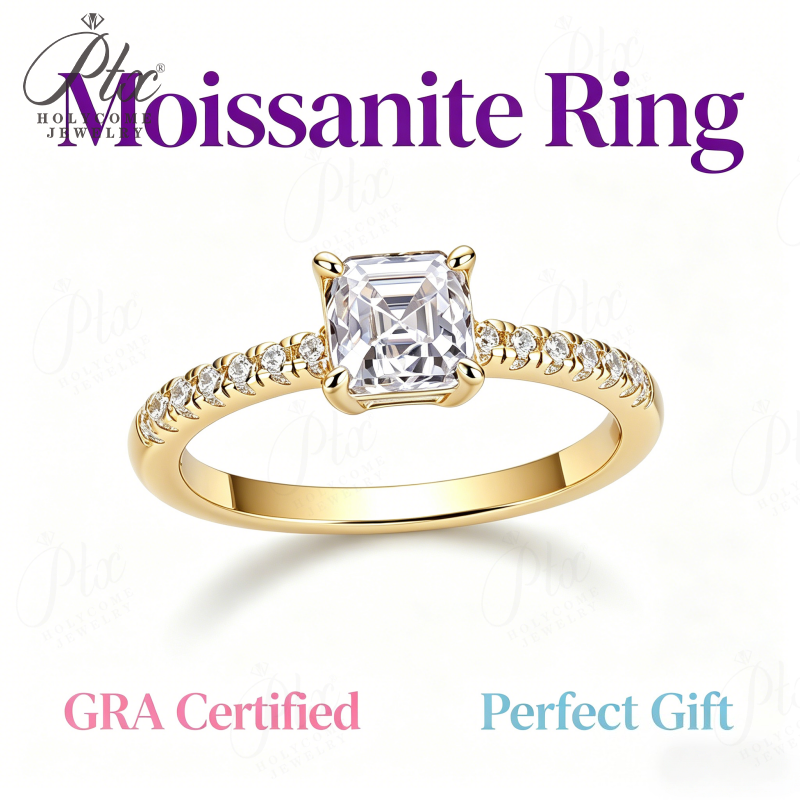
| Metal | silver | 925 with rhodium 0.05-0.10 micron | |
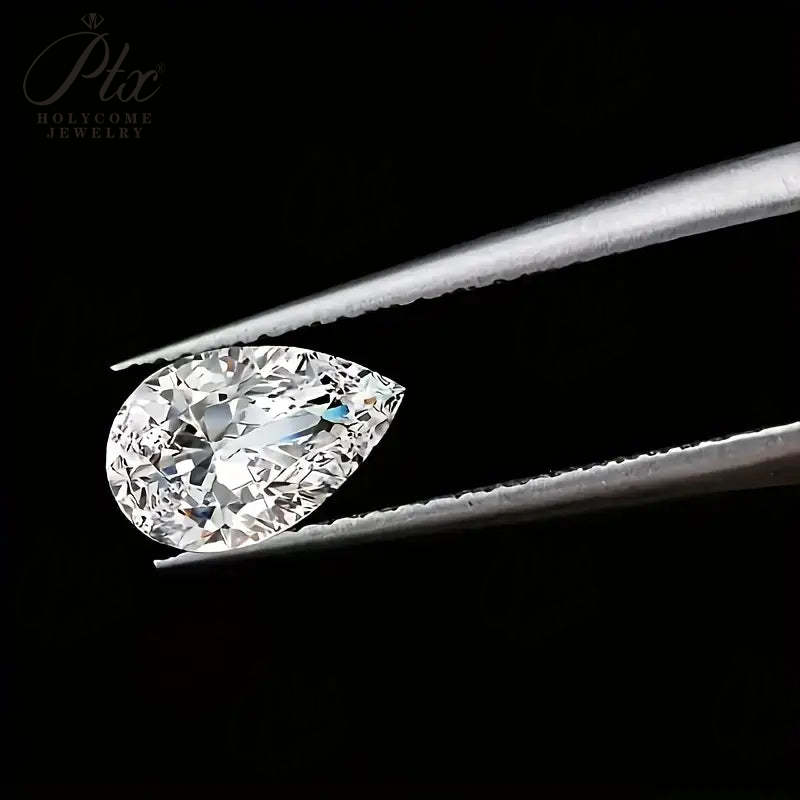
| Stone | moissanite 6.5mm | VVS, D-F, calibrated 6.5 +/-0.1mm | |
| Setting | prong | 4-prong basket, 1.2mm prong wire | |
| Tolerance | none stated | +/-0.15mm on diameter, +/-0.02g on weight |
How We Run a Custom Programme From Sketch to Repeat Order
Plating thickness on a cross-section is the number we publish per lot. It is the one a buyer can check with a caliper and a loupe in ten minutes, and the one that decides whether a reorder is a formality or a negotiation.
- Lot and rack reference on every carton
- 92.5% silver with a copper alloy declared on the invoice, not assumed
- One plated sample approved per rack before the run
- Stone parcel photographed and hue band stated in writing
Tolerance Stack: Where 0.1mm Becomes a Complaint
Tolerance compounds across operations. A casting that runs 0.15mm wide, a setting that shifts the stone 0.1mm, and a polish that removes 0.05mm of surface can put a sterling silver piece outside the size the customer ordered without any single step being out of specification.
That is why we hold the stack at the casting rather than at the finish. Tightening the last operation cannot recover tolerance that was already spent at the first.
The Reorder Sheet We Hand Back
Every reorder comes back with the original sheet: alloy batch, stone parcel reference, plating rack number, setting team, measured plating thickness on a cross-section. It is four lines and it removes the argument about what "the same" means.
Buyers who keep those four lines can audit a fifth lot in an afternoon. Buyers who do not are comparing two photographs and hoping.
Packaging and the First Thirty Seconds
The carton is the first physical impression. An anti-tarnish pouch, a cavity insert and a stone-side-up orientation cost a few cents and prevent most of the transit damage we see on sterling silver pieces.
Loose fill is the main cause of bent posts and scratched faces. It is cheaper than a cavity insert by about two cents a unit, which is the worst trade in the category.
Why We Publish the Numbers
Publishing plating thickness on a cross-section and the plating micron figure is uncomfortable for a factory that expects to be judged on photographs. It is comfortable for a buyer who has to defend a reorder to a boss.
The number is the argument. A supplier who will not publish one is asking you to trust the photograph instead.
The Three Failure Modes We See Most
On sterling silver pieces the three failures that come back most often are tarnish inside 90 days, plating thickness below 0.03 micron on the inner shank, and solder joints that pit after pickling. Each has a root cause upstream of the bench, which is why sorting finished pieces never fixes the rate.
Prong wear traces to wire gauge and setting pressure. Stone tilt traces to the bearing surface being cut by hand instead of by burr. Plating burn-off traces to rack contact points, not to the tank.
Tolerance Stack: Where 0.1mm Becomes a Complaint
Tolerance compounds across operations. A casting that runs 0.15mm wide, a setting that shifts the stone 0.1mm, and a polish that removes 0.05mm of surface can put a sterling silver piece outside the size the customer ordered without any single step being out of specification.
That is why we hold the stack at the casting rather than at the finish. Tightening the last operation cannot recover tolerance that was already spent at the first.
What Changes Between Lot One and Lot Five
Repeatability depends on four inputs staying fixed: the alloy batch, the stone parcel, the plating tank and the setting team. Swap any one of them to save cost and the fifth lot looks like a different product to your customer.
We keep the lot record for all four, so a reorder is compared against your first lot rather than against a photograph on a website.
What We Will Not Do, and Why That Protects You
We will not quote from a stock photo, we will not promise a date the plating queue cannot hold, and we will not sell a design we made exclusively for one buyer to another buyer.
Each of those is a short-term sale and a long-term loss, and the loss lands on the buyer who trusted the quote. Saying no to them is the cheapest quality control we operate.
Why We Ask for the Tolerance Before the Drawing
A tolerance stated after the drawing is a complaint waiting to happen. State it before and it becomes a manufacturing instruction, which is a very different conversation at the bench.
Most disputes we see are not about quality. They are about two people who each thought the other had agreed to a number that nobody wrote down.
What Changes Between Lot One and Lot Five
Repeatability depends on four inputs staying fixed: the alloy batch, the stone parcel, the plating tank and the setting team. Swap any one of them to save cost and the fifth lot looks like a different product to your customer.
We keep the lot record for all four, so a reorder is compared against your first lot rather than against a photograph on a website.
What It Costs and How Long It Takes
Fifty pieces per design is the working minimum on 925 silver. A sample runs three to five days, bulk fifteen to twenty days under 500 pieces, and a custom mould twenty-five to thirty days from drawing approval. Payment is 30% deposit with the balance against the bill of lading copy.
If the order is below fifty, the setup cost per piece roughly doubles because the casting tree and the plating rack are fixed costs. That is arithmetic, not a policy to negotiate around.
| Item | Value | Note |
|---|---|---|
| MOQ | 50 pcs / design | sizes and colours can be split |
| Sample | 3-5 days | one piece, approved before the run |
| Bulk lead time | 15-20 days | under 500 pieces |
| Custom lead time | 25-30 days | from drawing approval |
| Payment | 30% / 70% | balance against B/L copy |
| Port | Guangzhou / Shenzhen | export from Wuzhou |
Frequently Asked Questions
What do you need to quote a custom sterling silver piece?
A sketch or reference photo, the metal and finish, the stone size and grade, the setting type, the target quantity and the tolerance you will accept. With those we return a drawing and a price in three days.
Do you charge for CAD?
No for the first revision on a programme of fifty pieces or more. A second structural revision carries a small drawing fee, which is credited against the first production order.
Who owns the mould?
You do, once the tooling is paid. We keep it at the factory for your reorders and will ship it to another supplier on written request.
Can you match an existing piece?
Usually, if you send the physical sample rather than a photo. We measure the stone, the shank width and the plating thickness and quote to those numbers.
Can you produce a second lot identical to the first?
Yes, if we hold the four inputs: alloy batch, stone parcel, plating tank and setting team. The reorder sheet records all four, so the check happens against a document rather than against a memory.
What happens if the lot arrives outside the agreed tolerance?
Photograph the piece with a scale and reference the lot line. Above the agreed AQL we replace and cover freight; inside it we replace the affected units inside ten days.
About the Manufacturer
HOLYCOME by Wuzhou HengliLai Jewelry Co., Ltd. runs casting, setting, polishing and plating on one site in Wuzhou, Guangxi, the artificial gemstone cluster that supplies most of the trade. Monthly capacity is roughly 60,000 pieces across silver and gold lines. Buyers can reach the trade desk at service@holycome.com or on WhatsApp at +86 18078079070, and a factory visit can be arranged with two weeks' notice.
Next Step
If you are pricing 925 silver for a season, send the quantity per design, the stone grade you need and the date you need it on the shelf. We will return a drawing, a landed cost and a production date within three days, and a physical sample before you commit to a run. Samples are charged at cost and credited against the first order.
Related reading: Choosing a Jewelry Wholesale Niche: Five Angles That Work, Jewelry Export: The Commercial Invoice Basics That Clear Customs, Quality Disputes in Wholesale Jewelry: Stop Them Before They Start