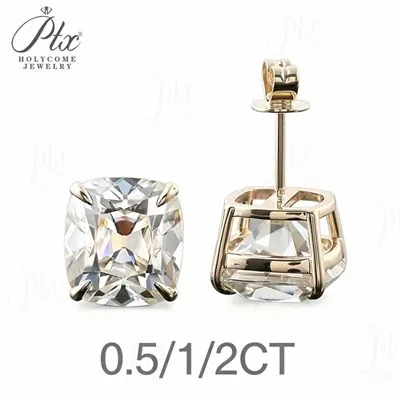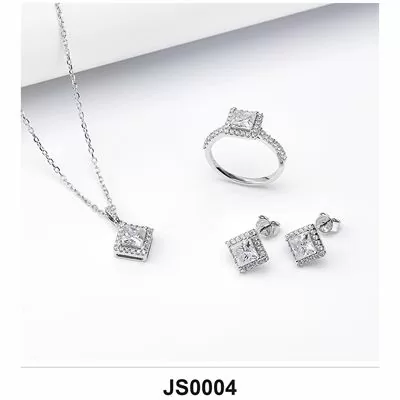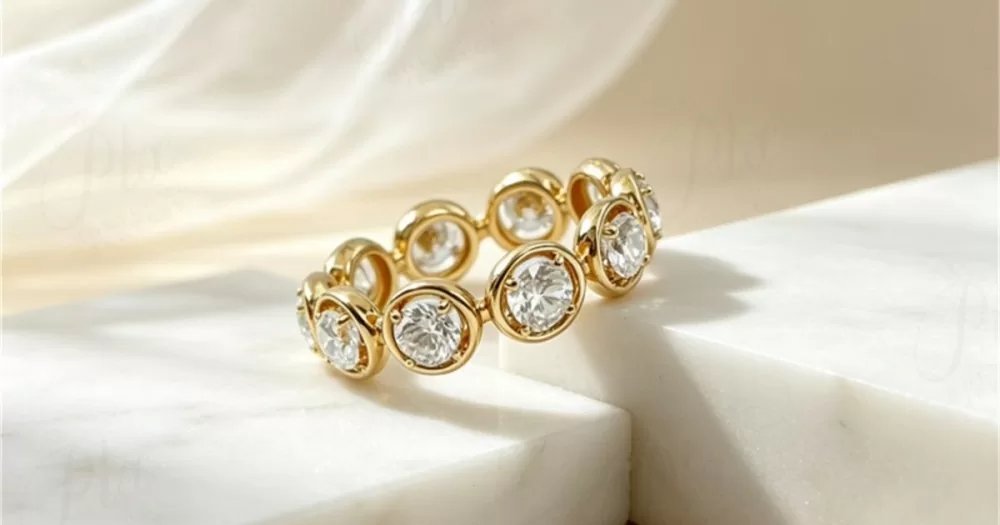
Earrings
Earrings Manufacturer Lead Time: 15-20 Days and the Calendar Behind It - HOLYCOME
Earrings: tolerances, cost structure and the reject rule for US wholesale buyers.
Direct Answer: The Calendar, Not the Lead Time
Direct Answer: a first bulk order of earrings runs 15 to 20 days from signed specification to packed carton, and a new model adds about 20 days before that because the drawing, the mould and the first article come first. Add 3 to 5 days for a stock-component sample, 25 to 35 days on the water, and the calendar that matters is the one counting backwards from your shelf date.
The Four Stages and Their Days
The table is the calendar we quote on a 300-piece run at USD 38-210. The days are working days, and the last column is the reason a date moves in practice rather than the reason it moves in theory, the detail a 300-piece run of earrings is judged on.
| Stage | Days | What slips it |
|---|---|---|
| Specification signed | 1 to 3 days | Metal, size band, plating micron, stone band on one sheet |
| Sample for a stock component | 3 to 5 days | Component availability, not bench time |
| New model, drawing to first article | about 20 days | Mould, CAD revision and the first cast |
| Bulk production | 15 to 20 days | Tray count, stone lot arrival, plating queue |
| Private-label print and pack | 3 days added | Artwork approval, not the press |
| Ocean freight to a US port | 25 to 35 days | Port congestion and the broker's release |
The two rows buyers compress are specification and approval. Both are free to compress and both are the rows that decide whether the bulk run starts on the date the calendar assumed, a detail that decides the reorder on earrings at USD 38-210.
The Order Calendar by Quarter
| Quarter | Place the order by | Why that date |
|---|---|---|
| Q1, January to March | Order by mid-January | Valentine and spring resets; the water is calm and the ports are quiet |
| Q2, April to June | Order by early April | Bridal season build; graduations and Mother's Day pull the same stock |
| Q3, July to September | Order by late June | Q4 build must clear production before the National Day slowdown |
| Q4, October to December | Order by mid-August | Peak freight, peak rates and the tightest port windows of the year |
Q4 is the quarter that punishes a late order twice: production is longer because every buyer is ordering, and freight is slower because every container is moving. The August cutoff is not a sales tactic, the same figure we quote on earrings at USD 38-210.
The National Day window in early October and the Spring Festival in February are the two production gaps to build around. Both are predictable, and both are the reason a November order becomes an air freight order, which on a 300-piece run of earrings is the number the order carries.
Put the quarter against your own shelf reset rather than against the calendar year. A boutique resetting in February is ordering in December, which is the worst month to be in a production queue, the detail a 300-piece run of earrings is judged on.

Doing the Math Backwards
Take the shelf date and subtract the freight window first, then the bulk run, then the approval, then the sample. A shelf date of November 1 with 30 days on the water means the carton has to leave by October 1, which means bulk has to start by mid-September, which means the sample has to be approved by the end of August, which on a 300-piece run of earrings is the number the order carries.
That arithmetic produces a date that is usually earlier than the buyer expected, and the gap is the buffer. We quote a 5-day buffer on top, because a broker release and a port discharge are not production events but they move the date, the detail a 300-piece run of earrings is judged on.
Build the buffer at the approval stage rather than at the freight stage. Freight delays are visible and expensive; an approval that sits for a week is invisible and costs exactly the same week, a detail that decides the reorder on earrings at USD 38-210.
The arithmetic is worth doing before the design conversation, because it decides whether the design is a new model or a stock component. That single question changes the date by three weeks, the detail a 300-piece run of earrings is judged on.
If the numbers do not fit, the honest options are ready stock, a stock component, or air freight on a partial. All three are decisions; a promise that the calendar will stretch is not, a detail that decides the reorder on earrings at USD 38-210.
Write the dates into the purchase order as milestones rather than as a single delivery date. A single date hides which stage is late until it is too late to fix, the same figure we quote on earrings at USD 38-210.
The Price of Speed
| Option | Effect on the calendar | Cost |
|---|---|---|
| Air freight on the full carton | Cuts 20 to 30 days | Four to six times the ocean rate |
| Air freight on a partial | Cuts 20 to 30 days on part of the order | Lower absolute cost, splits the shipment |
| Reserved production slot | Cuts 3 to 5 days off bulk | Usually a small premium, quoted per order |
| Stock component instead of a new model | Cuts about 20 days | Narrower specification, no new mould |
The cheapest compression is the last row, and it is the one buyers resist because it changes the design. A new mould is a three-week decision, and the decision is usually made later than the mould, a detail that decides the reorder on earrings at USD 38-210.
Air freight is the option that feels like a solution and behaves like a cost. On a 200-piece order it can consume the entire margin, which is why it belongs on the landed-cost sheet rather than in a message to the forwarder, the same figure we quote on earrings at USD 38-210.
A reserved slot is worth paying for when the date is fixed by a marketplace or a trade show. It is not worth paying for when the date is fixed by a plan that can move a week, which on a 300-piece run of earrings is the number the order carries.
Where Lead Time Actually Goes Wrong
- Artwork that is approved after the print run starts, which turns a three-day pack into a remake. The date slips by the reprint, and the reprint is not a production failure.
- A stone lot that arrives a week late because the grade band was widened after the quote. The bench waits, the tray count shifts, and the calendar absorbs a delay that started in the specification.
- A sample approved by message rather than by signature, so the bulk run starts against an assumption and stops when the first tray is compared with the second opinion.
- A packing list that does not match the carton, discovered at the dock. The shipment sits while the paperwork is corrected, and the freight clock keeps running.
Three of the four are buyer-side events, and all four are pre-production. A factory that reports a late carton almost always reports one of these rather than a bench problem, the same figure we quote on earrings at USD 38-210.
Ask for the milestone dates on the order and check them weekly. A weekly check is cheaper than a weekly expedite, and it converts a surprise into a decision, which on a 300-piece run of earrings is the number the order carries.
Blame is less useful than the milestone sheet. The sheet shows which stage moved, and the next order can be quoted with that stage already padded, the detail a 300-piece run of earrings is judged on.
Frequently Asked Questions
How long does a first order of earrings take?
15 to 20 days in production after the specification is signed, plus 3 to 5 days for a stock-component sample and 25 to 35 days on the water. A new model adds about 20 days before the bulk run, which on a 300-piece run of earrings is the number the order carries.
Can you shorten the lead time on Earrings?
Yes, by using a stock component instead of a new mould, by reserving a production slot, or by air freighting a partial. The first is free and changes the design; the other two are priced and quoted per order, the detail a 300-piece run of earrings is judged on.
What is the cutoff for a Q4 order?
Mid-August for a November shelf date, which builds in production, freight and a broker release. Later than that, the only honest option is air freight on part of the order, a detail that decides the reorder on earrings at USD 38-210.
Why does a new model add three weeks?
Because the mould is cut, the first article is cast, set and finished exactly as bulk will be, and that article is approved before the run. Skipping it moves the risk to the tray that ships, the same figure we quote on earrings at USD 38-210.
Do you ship DDP, and does it change the date?
DDP changes the paperwork and the invoice, not the earringion date. It can shorten the clearance step by a few days because the duty is settled by the shipper rather than at the port.
Next Step
Send the shelf date and the design status, and the reply counts backwards through sample, bulk and freight and returns the cutoff date, with the expedite options priced separately, the detail a 300-piece run of earrings is judged on.
HOLYCOME, the export brand of Wuzhou HengliLai Jewelry Co., Ltd., has produced earrings in Wuzhou, Guangxi since 2009 at roughly 60,000 pieces a month. Minimum order is 50 pieces per design, designs can be mixed inside one shipment, and terms run 30 percent deposit with the balance against the documents. Reach the trade desk at service@holycome.com or WhatsApp +86 18078079070.
Related reading: Earrings Manufacturer QC Protocol: Six Stations and One Reject Rule - HOLYCOME Bracelets Bridal Boutique: The Reject Tray Policy That Decides a Partnership - HOLYCOME