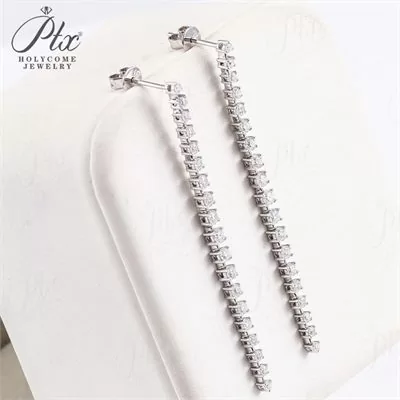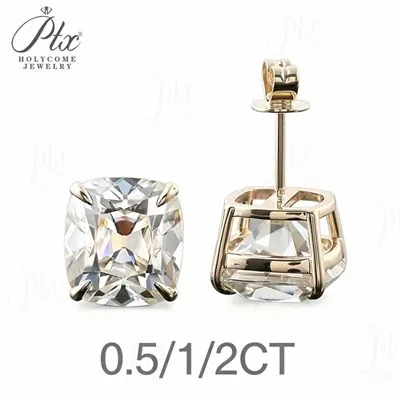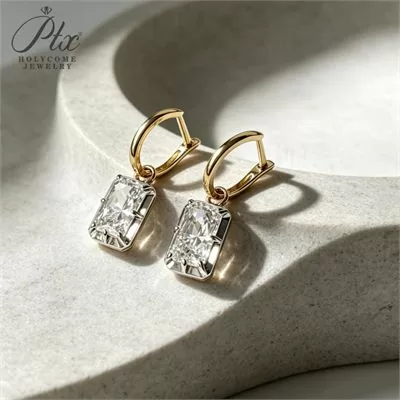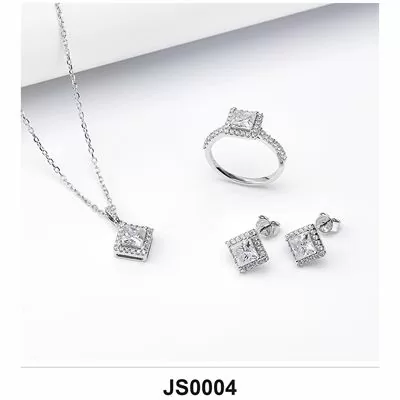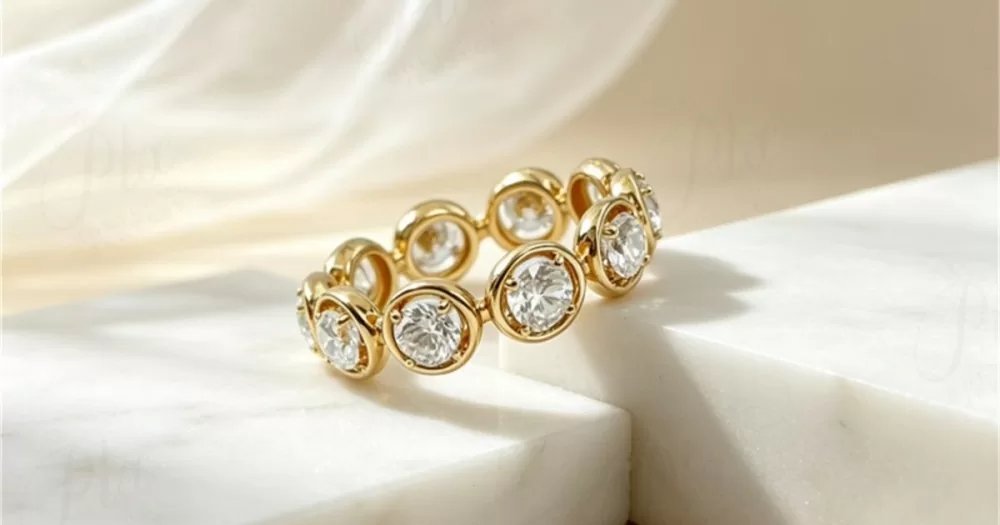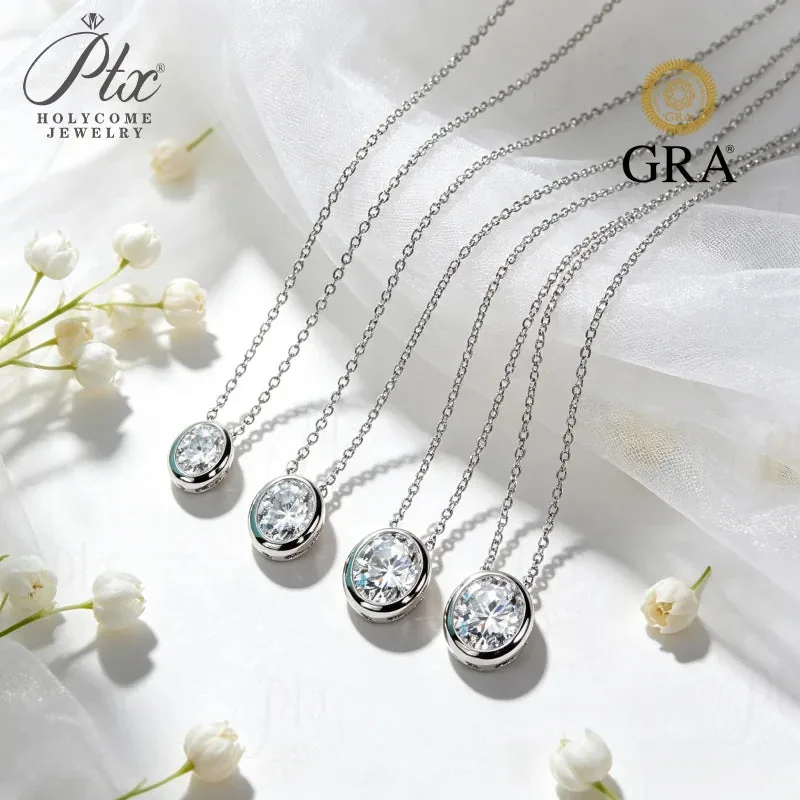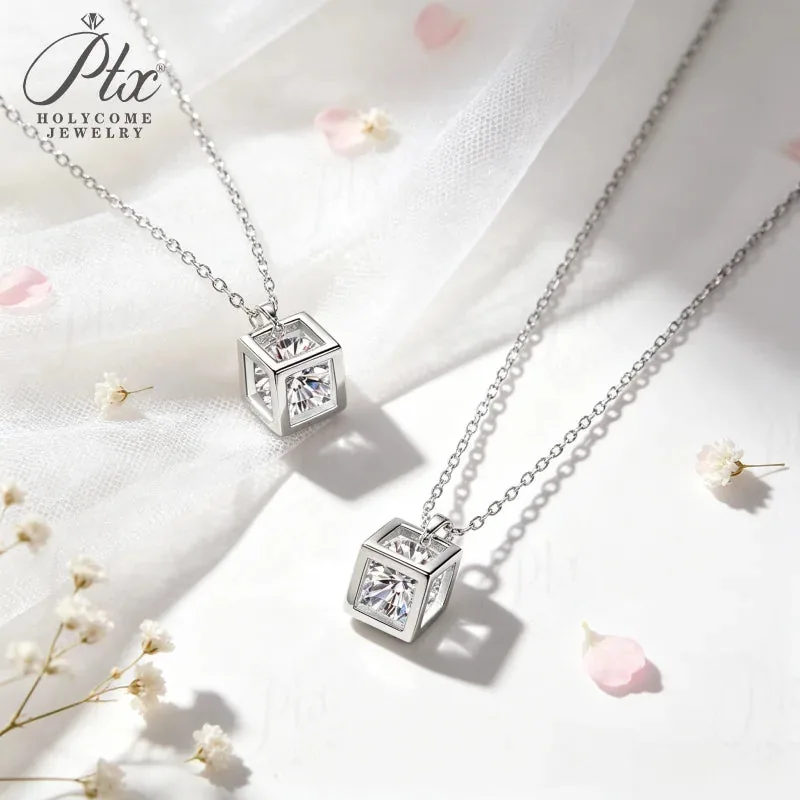
Lab Grown Diamond Rings
Lab Grown Diamond Rings OEM Cost Breakdown: Inside the USD 120-980 Piece - HOLYCOME
Lab Grown Diamond Rings: tolerances, cost structure and the reject rule for US wholesale buyers.
Direct Answer: What the Quote Covers
Direct Answer: at 50 to 200 pieces a lab grown diamond ring from Wuzhou lands in the USD 120-980 band per piece, and that band splits roughly into metal, stone, bench labor, finishing and packing. The two lines that move the number most are the stone grade and the bench minutes; the line buyers challenge first is labor, and it is the line that decides whether the piece survives a season.
The Five Cost Lines
The table is the split we work to on a 100-piece run at USD 120-980. Shares move a few points with the design, never by twenty, and a quote that claims otherwise has changed a line without saying which, a detail that decides the reorder on lab grown diamond rings at USD 120-980.
| Cost line | Share of piece | What moves it | Who controls it |
|---|---|---|---|
| Metal for the lab grown diamond ring | 30% | Alloy choice, shank thickness and casting yield | Factory |
| Stone and melee in lab grown diamond rings | 23% | Sieve range, grade band and lot batching | Market plus grade |
| Bench labor per piece | 22% | Setting type, prong count and jig design | Factory |
| Finishing and plating | 12% | Plating micron, polish passes and pre-plate inspection | Factory |
| Packing and the poly bag and hangtag | 13% | Pouch, box, print run and carton count | Buyer choice |
Nothing in that table is a trade secret, and that is the point. A buyer who knows the split can ask a specific question: which line changed, by how much, and what does the lab grown diamond ring lose if we take it back.
Line by Line
Where the metal line sits
Metal is the least negotiable line in a lab grown diamond rings quote, because it is bought by weight and priced by weight. What a factory controls is thickness and yield: a shank 0.2 mm thinner saves a few percent of metal and costs a resizing later, and a casting yield two points better saves more than any discount conversation. Ask for the gram weight per piece at the quoted size, not for a percentage off.
Where the stone line sits
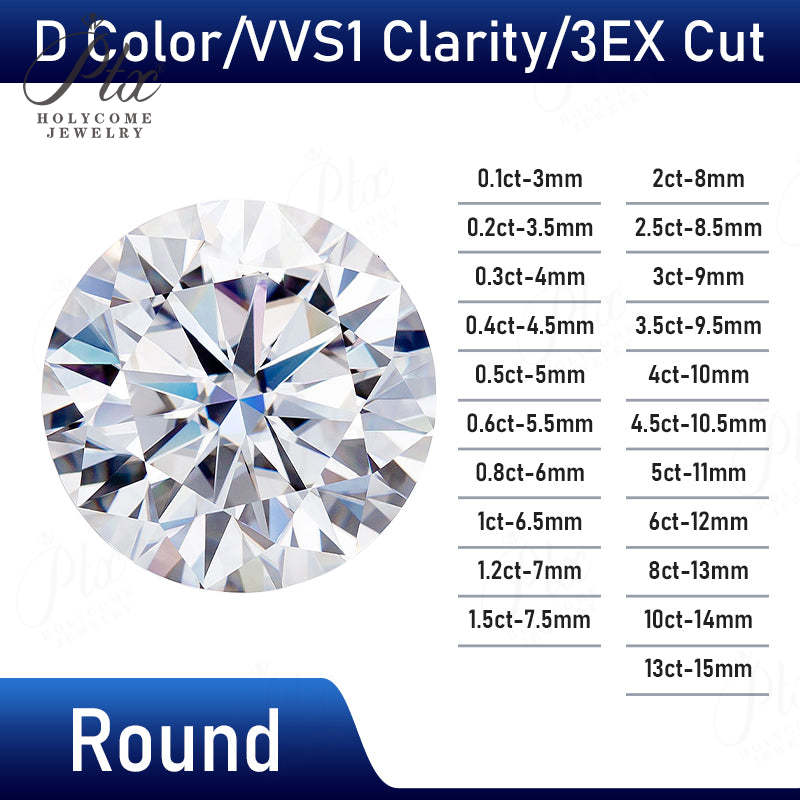
The stone line is where two quotes for the same drawing diverge by double digits, and almost never because one factory is cheaper. It diverges because one is quoting a grade band and the other is quoting a grade. Ask for the band in writing: colour range, clarity range, mm tolerance. A lab grown diamond ring at USD 120-980 with a wide band and one at the same price with a narrow band are not the same product.
Where the labor line sits
Bench minutes decide the labor share, and the setting type decides the minutes. A prong setting and a bezel on the same lab grown diamond ring can differ by several minutes per piece, which at 100 pieces is the difference between one quote and another. Ask for minutes per piece and for the jig that holds the repeat, because a jig is what makes a reorder cost less than the first run.
Where the finishing line sits
Finishing is the cheapest line to specify and the most expensive to skip. Rhodium at 0.20 micron with a palladium strike reads white through a season; nominal plating reads white at the counter and yellow at the third month. Pre-plate inspection of casting porosity belongs here too, because plating a porous surface is a six-week delay on a complaint rather than a fix, which on a 100-piece run of lab grown diamond rings is the number the order carries.
Where the packing and freight line sits
Packing is a buyer choice, so it should be quoted separately from the piece. The poly bag and hangtag carries a print run, a carton count and a packing list, and all three are priced per order rather than per piece. Freight is the one line that is not a cost of the lab grown diamond ring at all, which is why landed cost belongs on a second sheet.
The Ladder: 50, 200 and 500 Pieces
| Quantity band | Unit price | What changes |
|---|---|---|
| 50 to 200 pieces | USD 120-980 | Setup amortised over a small run; gauge and sample already paid |
| 200 to 500 pieces | USD 110-901 | Jig and fixture amortised; stone bought in a matched lot |
| 500 pieces and above | USD 102-833 | Dedicated stone procurement and a reserved production slot |
The ladder is arithmetic, not a volume trick. The setup, the gauge and the sample are fixed costs; the metal and stone are not. Splitting them explains why the third band moves less than the second, which on a 100-piece run of lab grown diamond rings is the number the order carries.
A buyer comparing a 50-piece quote with a 500-piece quote is comparing two different products. Compare bands, then decide which band your first two orders actually sit in, because that is the number your margin has to survive, the detail a 100-piece run of lab grown diamond rings is judged on.
We quote the band before the design is finalised so the buyer can size the first order to the band rather than discover the mismatch after sampling, a detail that decides the reorder on lab grown diamond rings at USD 120-980.
What the Quote Does Not Include
- Return freight on a rejected tray, which is charged by the courier and not by the factory, and is the line buyers forget when they compare two quotes.
- Re-plating or re-polish after a season, when nominal plating wears through on a fast-moving SKU and the piece comes back through the counter rather than the factory.
- Reship on a sizing drift, because a run that drifts 0.3 mm across sizes produces a second shipment for the same order.
- The certificate you did not ask for at the quote stage, priced at the moment a marketplace or a customs broker asks for it, which is always the expensive moment.
- The air freight to protect a launch date, charged at four to six times the ocean rate, and usually caused by a sample approved two weeks later than the calendar allowed.
Four of the five are avoidable at the order stage and one is avoidable at the spec stage. None of them are avoidable at the claim stage, which is when buyers usually discover them, the detail a 100-piece run of lab grown diamond rings is judged on.
The Margin Arithmetic
| Line | Amount per piece | Note |
|---|---|---|
| Factory price per piece | USD 120-980 | Ex-works, packing included, certificate per the quote |
| Freight and duty allocation | USD 9-78 | Ocean at 100 pieces; DDP quoted separately |
| Landed cost | USD 129-1058 | The number your retail multiple has to clear |
| Retail at 3.0x | USD 387-3174 | Typical for a boutique with a 55 to 60 percent margin |
A three-times multiple on landed cost is the working assumption for a US boutique; below 2.6 the lab grown diamond ring has to carry the marketing itself. That is why the factory band matters more than the discount.
The multiple is not a pricing opinion, it is a cash constraint. Pieces that sit for two seasons need a higher multiple to pay for the floor space, and pieces that reorder need a lower one, the same figure we quote on lab grown diamond rings at USD 120-980.
Run the arithmetic on the band you will actually order, not on the 500-piece band you hope to reach. The first two orders are what the cash flow has to survive, which on a 100-piece run of lab grown diamond rings is the number the order carries.
Frequently Asked Questions
What is included in the USD 120-980 band for lab grown diamond rings?
Piece, packing per the poly bag and hangtag, and GRA on the lots above the threshold. Freight, duty, certificate upgrades and private-label print runs are quoted separately so the band stays comparable, the detail a 100-piece run of lab grown diamond rings is judged on.
Why do two suppliers quote the same design so differently?
Almost always the stone grade band or the bench minutes. Ask for the band in writing and for minutes per piece; a difference under ten percent is specification, above twenty is a different product, a detail that decides the reorder on lab grown diamond rings at USD 120-980.
Can the metal line be reduced without losing quality?
Yes, by 0.2 mm of shank thickness or by a lighter hollow section, at the cost of resize work later. We quote both and state the trade rather than choosing it for the buyer, the same figure we quote on lab grown diamond rings at USD 120-980.
How much does plating thickness change the price?
Vermeil at 3 microns costs more than rhodium at 0.20 micron, and both cost less than the re-plating a nominal finish triggers. The delta is per lot, not per piece, so small runs see it as a setup line, which on a 100-piece run of lab grown diamond rings is the number the order carries.
Do you quote landed cost?
Yes, as a separate line with the duty assumption stated. DDP is available for US accounts and removes the invoice that otherwise arrives after the carton clears, the detail a 100-piece run of lab grown diamond rings is judged on.
Next Step
Send the specification and the quantity band, and the reply breaks the price into the five cost lines with the share of each, so the number can be argued line by line instead of as a whole, a detail that decides the reorder on lab grown diamond rings at USD 120-980.
Wuzhou HengliLai Jewelry Co., Ltd. has made lab grown diamond rings under the HOLYCOME label since 2009, at a plant in Wuzhou, Guangxi, running roughly 60,000 pieces monthly. Because casting and setting sit in the same building, a gauge change on the bench reaches the next tray the same week rather than the next shipment. Quotes, drawings and inspection sheets go out from service@holycome.com, or WhatsApp +86 18078079070.
Related reading: Lab Grown Diamond Rings Manufacturer: Ready Stock, Made-to-Order or Private Label Fir - HOLYCOME Lab Grown Diamond Sets Amazon FBA Ready: The Sample Approval That Survives Production - HOLYCOME