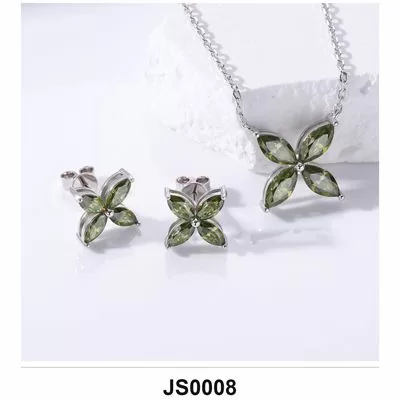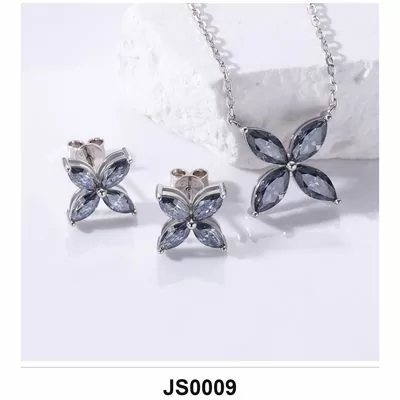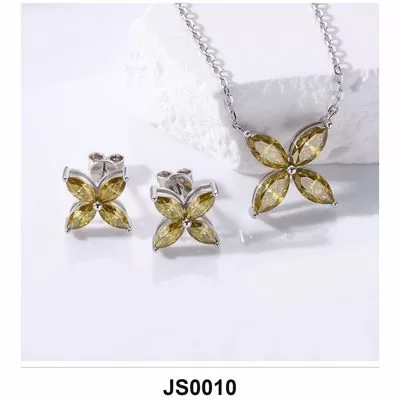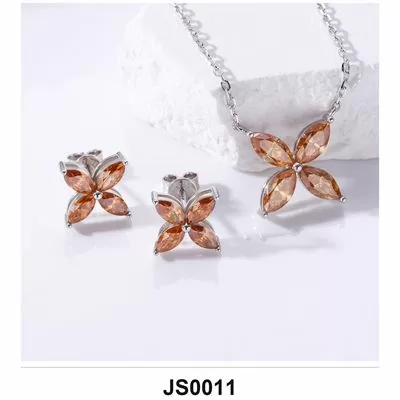
Lab Grown Ruby Jewelry
Lab Grown Ruby Jewelry Manufacturer: Ready Stock, Made-to-Order or Private Label Firs - HOLYCOME
Lab Grown Ruby Jewelry: tolerances, cost structure and the reject rule for US wholesale buyers.
Direct Answer: Which Route to Stock First
Direct Answer: for a first order of lab grown ruby jewelry, the cheapest route to stock is not the cheapest route to a sell-through. Ready stock gets you a counter in ten days at the widest price band; made-to-order gets you the exact spec in about five weeks; private label gets you a brandable carton in about seven. Most US buyers should run ready stock first, then move one SKU to made-to-order once it proves.
Ready Stock Against Made-to-Order Against Private Label
Three routes, six criteria, one row per criterion. Read across a row rather than down a column, because the trade is always between two rows rather than between two suppliers, the same figure we quote on lab grown ruby jewelry at USD 120-980.
| Criterion | Ready stock | Made-to-order | Private label |
|---|---|---|---|
| Price band per piece | Widest, USD 120-980 | Mid, USD 110-901 | Mid plus the print run |
| Time to first sale | 7 to 12 days | 25 to 35 days | 30 to 40 days |
| Specification control | Fixed to the stock spec | Full, written on the drawing | Full, plus the carton and hangtag |
| Cash tied up | Low per SKU, wide assortment | Higher per SKU, narrow assortment | Highest, because of the print minimum |
| Failure mode | Sells, but not in your spec | Late for the season | Carton approved after the run |
| Best for | A first test of lab grown ruby jewelry | A proven SKU that needs a change | A brand with its own name on the box |
The row that decides most first orders is cash tied up, not price. Ready stock lets a buyer hold six SKUs; made-to-order usually means two, and two SKUs is a display rather than a category, which on a 300-piece run of lab grown ruby jewelry is the number the order carries.
The Decision Matrix
| Situation | Route to take | Why it works |
|---|---|---|
| Testing a category with no sales history | Ready stock at the widest band, two sizes per design | Cash stays liquid and the shelf looks populated |
| A proven SKU that needs a size or stone change | Made-to-order on the existing drawing | The change is the only variable, so the result is readable |
| A launch with a fixed date inside 45 days | Ready stock now, made-to-order on the second drop | The date is the constraint, and the spec can wait one cycle |
| A distributor building a catalogue | Private label with the carton approved before the run | The catalogue needs a brand on the box more than a discount |
| A marketplace seller with FNSKU labels | Private label plus the pack-out proven at the quoted quantity | A label error is a stranded shipment, not a small delay |
Each row is a situation, not a preference. Two buyers reading the same table should reach different answers if their next ninety days differ, and that is the test of whether the matrix is working, the detail a 300-piece run of lab grown ruby jewelry is judged on.
The second and fourth rows are where buyers overspend. A proven SKU does not need private label, and a catalogue does not need a bespoke drawing; each buys a control it will not use, a detail that decides the reorder on lab grown ruby jewelry at USD 120-980.
If your situation is between two rows, take the route with the shorter calendar. Time is the one input a supplier cannot compress after the order is placed, the same figure we quote on lab grown ruby jewelry at USD 120-980.
The Cash View of Each Route
Ready stock ties up less per SKU and more per category. Six designs at the widest band is a real display, and the money sits in inventory that can reorder in days rather than in a production slot that cannot move, a detail that decides the reorder on lab grown ruby jewelry at USD 120-980.
Made-to-order ties up more per SKU and less per category, because a buyer orders two designs rather than six. The working capital is smaller in total and larger in concentration, which is the trade a proven seller makes willingly, the same figure we quote on lab grown ruby jewelry at USD 120-980.
Private label ties up the print minimum before the first piece is cast. That minimum is the reason the carton must be approved before the bulk run, and it is also the reason a first private-label order should follow a ready-stock test rather than lead it, which on a 300-piece run of lab grown ruby jewelry is the number the order carries.
None of the three is cheaper in absolute terms. They differ in when the cash leaves and what it buys, and a buyer who can state the date their cash returns is the buyer who picks correctly, the same figure we quote on lab grown ruby jewelry at USD 120-980.
The reorder mechanic is the hidden variable. Ready stock reorders in days because the spec exists; made-to-order reorders in 12 to 15 days once the gauge exists; private label reorders in 15 to 20 plus the print window, which on a 300-piece run of lab grown ruby jewelry is the number the order carries.
Watch the concentration risk rather than the unit price. Two SKUs at a better price can still be the weaker position if either one misses the season, the detail a 300-piece run of lab grown ruby jewelry is judged on.
Three Buyers We Should Turn Away
If you need four hundred pieces across twelve designs by the end of the month, we are the wrong supplier. The gauge and the sample are fixed costs, and spreading them across twelve tiny runs is a price nobody should pay, which on a 300-piece run of lab grown ruby jewelry is the number the order carries.
If your launch depends on a carton print that has not been approved, we are the wrong supplier for that date. The print run adds three days and the approval adds a conversation; a supplier that promises both inside a week is promising something it does not control, the detail a 300-piece run of lab grown ruby jewelry is judged on.
If you need a certificate on every melee stone in a sub-USD 120-980 piece, we are the wrong supplier at that band. The paperwork costs more than the stone, which is why we quote per-stone reports above the threshold and a batch report below it, a detail that decides the reorder on lab grown ruby jewelry at USD 120-980.
Stating the wrong fit is cheaper than losing the account in month two. Three buyers turned away at the quote stage are worth more than one account that churns after a missed date, the detail a 300-piece run of lab grown ruby jewelry is judged on.
The list is short and specific on purpose. A page that says every buyer is a fit is a page that has not thought about its own economics, a detail that decides the reorder on lab grown ruby jewelry at USD 120-980.
Most of these situations are fixable by changing the order shape rather than the supplier: fewer designs, a wider band, or a carton approved one cycle earlier, the same figure we quote on lab grown ruby jewelry at USD 120-980.
A Two-Order Test Plan
- Order one: ready stock, two designs, the widest band, sized to your shelf rather than to a discount. Measure sell-through for four weeks and note which size moves and which stone grade the counter asks for.
- Order two: move the winning design to made-to-order with one change, either a size extension or a stone grade step. Compare the landed cost and the return rate against order one rather than against the quote.
- Order three, if the numbers hold: take the winning specification into a private label carton at the quantity where the print run stops being a penalty. By this point the spec, the gauge and the pack are all proven, so the print is the only new variable.
- Ninety days, three orders, one variable per order. That sequence produces a catalogue line with evidence behind it, and it costs less than a single large order placed on a hunch.
The sequence is deliberately slow at the start and fast at the end. The first order is about information, the second about specification, and the third about presentation, a detail that decides the reorder on lab grown ruby jewelry at USD 120-980.
Buyers who skip to order three usually end up re-running order one, because the spec was never proven and the carton was approved against a sample made by hand, the same figure we quote on lab grown ruby jewelry at USD 120-980.
Write the sell-through number down before the second order ships. Without it, the second order is a preference rather than a test, which on a 300-piece run of lab grown ruby jewelry is the number the order carries.
Frequently Asked Questions
Should I start with ready stock or made-to-order for lab grown ruby jewelry?
Ready stock, for two designs at the widest band. It gets stock on a shelf inside two weeks and produces the sell-through data that makes the second order a decision rather than a guess, a detail that decides the reorder on lab grown ruby jewelry at USD 120-980.
How long does each route take to first sale?
Ready stock is 7 to 12 days to the dock, made-to-order is 25 to 35, and private label is 30 to 40 because of the print window. The difference is setup, not production speed, the same figure we quote on lab grown ruby jewelry at USD 120-980.
Can I mix routes inside one order?
Yes, and we recommend it after the second order: ready stock for the assortment and made-to-order for the two designs that carry the display. Mixed designs travel in one shipment at 50 pieces per design, which on a 300-piece run of lab grown ruby jewelry is the number the order carries.
Is private label worth it on a first order?
Not on a first order. The print minimum is real money and the carton is approved against a spec that has not sold yet. Prove the lab grown ruby jewelry, then brand the box.
What is the smallest test order you will run?
50 pieces per design, which can be split across three or four designs within one shipment. Below that the gauge check stops being independent of the shift, and the price stops being meaningful, a detail that decides the reorder on lab grown ruby jewelry at USD 120-980.
Next Step
Send the ninety-day plan, the shelf date and the quantity you can hold, and the reply maps it to one of the three routes with the cash and the calendar for that choice, including the route we would not recommend, the same figure we quote on lab grown ruby jewelry at USD 120-980.
Wuzhou HengliLai Jewelry Co., Ltd. trades as HOLYCOME and has built lab grown ruby jewelry in Wuzhou, Guangxi since 2009, at a monthly output near 60,000 pieces. Sample policy is 3 to 5 days on a stock component and about 20 days on a new model, and the same gauge used for the sample is the one used at final inspection. The desk answers at service@holycome.com or WhatsApp +86 18078079070.
Related reading: Lab Grown Ruby Jewelry OEM: The Order Calendar That Avoids Air Freight - HOLYCOME Lab Grown Sapphire Jewelry Shopify DTC: How the Second Order Becomes Cheaper - HOLYCOME