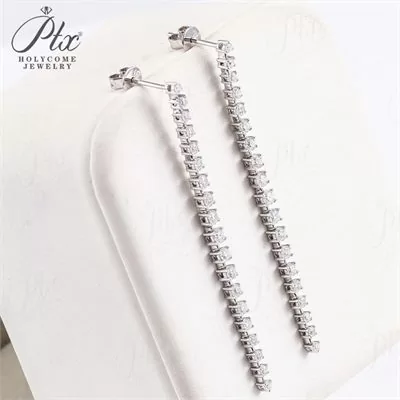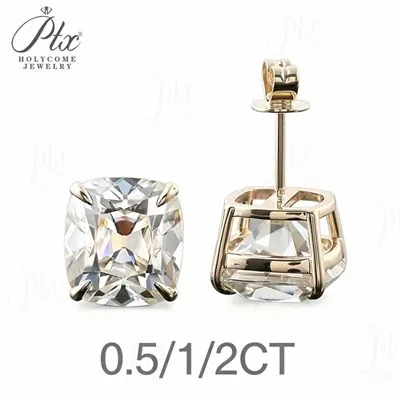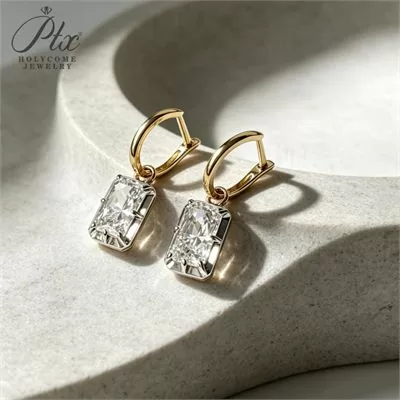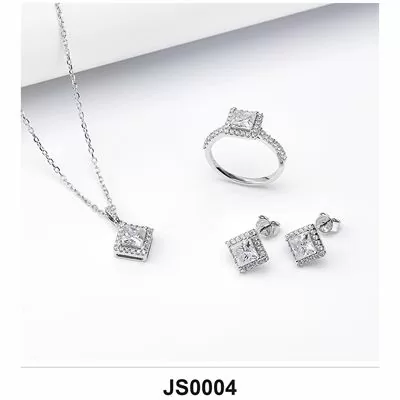
Radiant Cut Lab Grown Diamond
Radiant Cut Lab Grown Diamond Manufacturer Inspection: AQL, Defect Classes and the Re - HOLYCOME
Radiant Cut Lab Grown Diamond: tolerances, cost structure and the reject rule for US wholesale buyers.
Direct Answer: What an Inspection Decides
Direct Answer: an inspection on radiant cut lab grown diamond only decides one thing, whether the lot matches the retained reference piece on the measurements written down before production. AQL tables decide how many pieces to pull; they do not decide what a piece is supposed to be. Write the spec first, then sample against it, and the argument after delivery becomes arithmetic.
Sampling by Lot Size
The plan below is the sampling we apply on a 300-piece order. Pull the radiant cut lab grown diamonds before the trays are packed, not after, because a tray that has been wrapped is a tray nobody wants to unwrap.
| Lot size | Sample | Critical | Major | Minor |
|---|---|---|---|---|
| 50 to 150 pieces | 13 pieces | Zero | 2 | 3 |
| 151 to 500 pieces | 32 pieces | Zero | 3 | 5 |
| 501 to 1,200 pieces | 50 pieces | Zero | 5 | 7 |
| Over 1,200 pieces | 80 pieces | Zero | 7 | 10 |
A critical defect is stone loss, a broken prong, a clasp that opens under load, or metal that fails a nickel or lead screen. One piece stops the lot regardless of the lot size, because one piece is enough to generate the return, which on a 300-piece run of radiant cut lab grown diamond is the number the order carries.
Six Stations, In the Order That Catches Most
- Stone intake: verify the report number against the laser inscription, measure the mm size against the sieve range, and pull any stone outside the band. This station catches the failure that costs the most to fix later, and it costs one gemologist and a loupe.
- Casting inspection before plating: check porosity, shank thickness and joint integrity. Plating a porous casting hides the problem for six weeks and then returns it as a blister, which is why this station exists before the plating bath rather than after it.
- Setting check: prong tension, seat depth and stone height on a sample of every tray, not on the first piece of the run. A setter who is having a good morning is not evidence about the afternoon shift.
- Sizing and gauge: run a go/no-go gauge on every size in the lot and record the drift. A drift of 0.3 mm across a size run becomes a reship for the same order, and the gauge is what prevents it.
- Plating and finish: log the micron per lot, inspect under a 10x loupe at the prong tips where wear shows first, and check the colour against the retained master stone rather than against the previous tray.
- Final and pack: weigh, count, and reconcile the packing list fields against the carton. This is the station where a missing SKU is caught by paper instead of by the customer, and it takes ten minutes per carton.
Six stations sound like six costs. In practice the first three remove the reasons for the last three to reject anything, and the whole sequence adds a few minutes per tray rather than per piece, the detail a 300-piece run of radiant cut lab grown diamond is judged on.
Nothing here needs a laboratory. A loupe, a gauge, a balance and a written sheet carry most of the quality a radiant cut lab grown diamond buyer is paying for, which is why the protocol travels with the trays.
A station without a signature is a station that did not happen. Ours carries the inspector's initials per lot, and the sheet ships in the carton so a claim can be argued from paper, the same figure we quote on radiant cut lab grown diamond at USD 120-980.
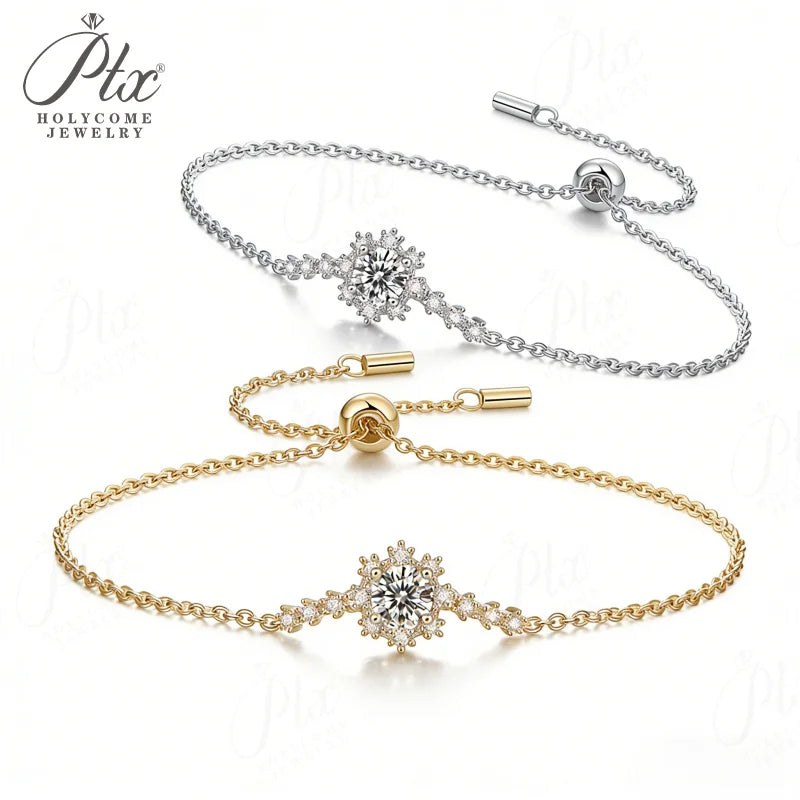
Failure Taxonomy for radiant cut lab grown diamond
| Defect | Class | Likely cause | Fix at source |
|---|---|---|---|
| ('certificate mismatch', 'A stone whose report says VS1 but whose plot shows a cloud near the table reads as a grade dispute at the counter. Match the plot, not only the grade line.') | Major | Bench or spec gap | Gauge per size and a retained reference piece |
| ('growth-method disclosure', 'CVD and HPHT stones behave differently under high heat during setting. Disclosing the method protects both sides in a repair claim.') | Major | Plating or casting prep | Porosity check before the plating bath |
| ('table percentage variance', 'A 62% table in a bright cut reads dark in a store window. Buying by table percentage, not only by carat, keeps the display consistent.') | Critical or major | Component source | Incoming check on the component lot |
| Colour drift against the master | Major | Stone batching | Matched lot per tray, master stone on the bench |
| Sizing drift across the run | Major | Gauge not used | Go/no-go gauge on every size |
| Packing list mismatch | Minor to major | Dock reconciliation | Carton count signed before sealing |
Every row has a source upstream of the defect. Fixing the radiant cut lab grown diamond is a cost; fixing the row is a saving, and the difference is whether the cause is written down.
The first three rows account for most claims on radiant cut lab grown diamond. They are also the three that a bench check catches before packing, which is why the sequence matters more than the sample size.
A defect taxonomy is only useful if the words match across the order, the inspection and the claim. Ours uses the six terms above on the quote, the QC sheet and the credit note, which on a 300-piece run of radiant cut lab grown diamond is the number the order carries.
What Happens When the Lot Fails
One critical defect stops the lot and triggers a hundred percent check of the affected tray before anything ships. The buyer does not receive a percentage with a note attached; the tray is either reworked or held, the same figure we quote on radiant cut lab grown diamond at USD 120-980.
A major defect rate above the plan triggers a second sample on the same lot before a decision. The second sample decides whether the cause is the run or the tray, and both outcomes are written on the sheet the same day, which on a 300-piece run of radiant cut lab grown diamond is the number the order carries.
A rejected tray is settled against the retained reference piece inside the same order cycle. If the difference shows on our retained piece we replace or credit; if it appeared in transit we split the assay cost and file with the carrier, and that split is on the order before the deposit clears, the detail a 300-piece run of radiant cut lab grown diamond is judged on.
Minor defects inside the plan ship with the count stated on the packing list, so the buyer's receiving team knows what to expect rather than discovering it. Stating a minor defect is cheaper than hiding one, a detail that decides the reorder on radiant cut lab grown diamond at USD 120-980.
The rule has to be signed before the run, because after the run it is a negotiation and the party holding the radiant cut lab grown diamond has the leverage. Writing it into the purchase order is the whole protection.
Buyers sometimes ask for a zero-defect clause. We quote it, and we quote the inspection cost that makes it possible, because zero without a hundred percent check is a promise rather than a process, the detail a 300-piece run of radiant cut lab grown diamond is judged on.
A claim handled in the same cycle costs a credit note. A claim handled after the season costs the relationship, which is the more expensive of the two, a detail that decides the reorder on radiant cut lab grown diamond at USD 120-980.
What a Third-Party Inspection Adds
A third-party inspector adds independence, which matters when the factory is new to you and the order is large. It does not add specification: the inspector checks against the sheet you supply, so a vague sheet produces a vague report with a logo on it, the detail a 300-piece run of radiant cut lab grown diamond is judged on.
The gap in most third-party reports is the retained reference. An inspector can measure a radiant cut lab grown diamond, but it cannot tell you whether the colour matches the master you approved, because it never saw the master. Send the reference piece with the inspection request.
Pay for an inspector on the first order above a few hundred pieces and on any order from a new factory. After two clean lots with the same spec, the money is better spent on your own receiving check and a gauge, the same figure we quote on radiant cut lab grown diamond at USD 120-980.
Frequently Asked Questions
What AQL do you use for radiant cut lab grown diamond?
AQL 1.0 for major and 2.5 for minor on the lots above 150 pieces, with zero acceptance on critical defects. Below 150 pieces the lot is small enough that a hundred percent check on the radiant cut lab grown diamond costs less than a sampling argument.
How many pieces do you inspect on a 300-piece order?
32 pieces on a 300-piece run, pulled across trays rather than from one. Every size in the lot gets a gauge pass regardless of the sample, because drift is a run property and not a radiant cut lab grown diamond property.
Can I send my own inspector?
Yes. We schedule it, provide the trays and the sheet, and hold production until the report lands. Inspectors who arrive without the retained reference usually produce a report about appearance rather than about specification, which on a 300-piece run of radiant cut lab grown diamond is the number the order carries.
What is a critical defect on Radiant Cut Lab Grown Diamond?
Stone loss, a prong that will not hold under load, a clasp that opens, or metal that fails a nickel or lead screen. One occurrence stops the lot; the others are counted against the plan, the detail a 300-piece run of radiant cut lab grown diamond is judged on.
Do you inspect after plating or before?
Both, at different stations. Porosity is checked before the plating bath, and plating thickness and colour are checked after it. An inspection that only happens at the end cannot tell you which of the two failed, a detail that decides the reorder on radiant cut lab grown diamond at USD 120-980.
Next Step
Send the lot size and the defect history from your last order, and the reply comes back with the sampling plan, the six stations and the reject rule written for that lot rather than for a generic one, the same figure we quote on radiant cut lab grown diamond at USD 120-980.
HOLYCOME is the export arm of Wuzhou HengliLai Jewelry Co., Ltd., a Wuzhou, Guangxi plant that has shipped since 2009 and produces about 60,000 pieces a month, radiant cut lab grown diamond included. Export paperwork, the certificate pack and the packing list are prepared in-house, which is why the documents quoted on the order are the ones that travel with the carton. Reach the desk at service@holycome.com or WhatsApp +86 18078079070.
Related reading: Radiant Cut Lab Grown Diamond Manufacturer: 7 Supplier Checks Before You Pay - HOLYCOME 925 Sterling Silver Jewelry Distributor Tier: What the Quote Actually Covers - HOLYCOME